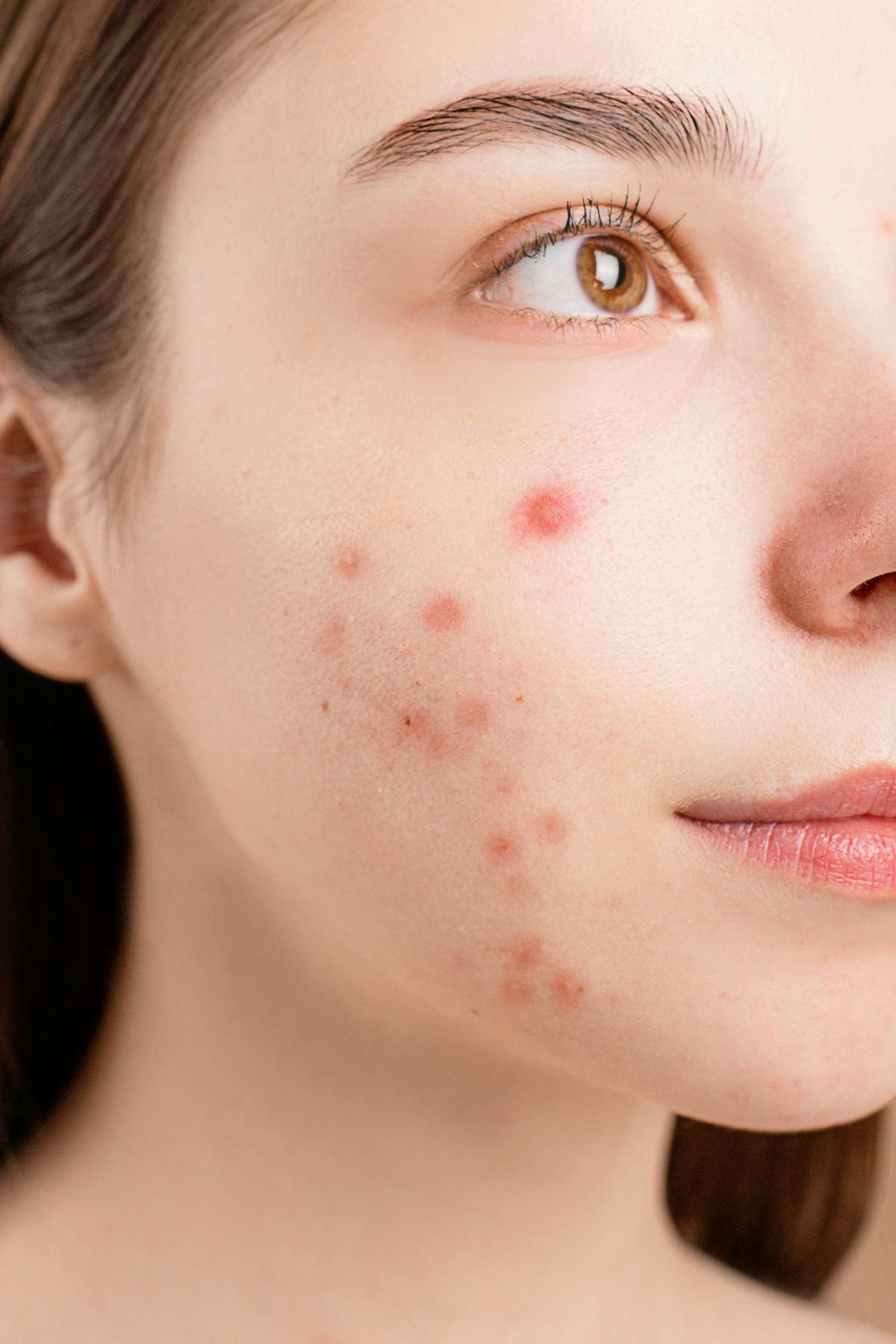
Physician-Led Protocol
Acne Scars
Treatment
Advanced scar reduction protocols for darker skin tones
Reduce post-acne scarring with targeted treatments that promote skin renewal and collagen production.
Clinical Overview
Understanding Acne Scars
Up to 95% of acne patients develop some degree of scarring, and in South Asian populations (Fitzpatrick IV-VI), every scar comes with a shadow — post-inflammatory hyperpigmentation that can persist for months or years. As dermatologists specialising in darker skin types, we understand that acne scar treatment requires a different approach. Procedures safe for lighter skin can cause permanent discolouration in darker tones. Our protocols are designed from the ground up for safety and efficacy across all skin types, combining prescription-strength actives with procedure recommendations guided by your specific scar classification.
Clinical Data
Microneedling is 2.2x more effective than chemical peels for acne scars in darker skin (73% improvement vs 33%), according to published research. This is why we prioritise evidence-based approaches specific to Fitzpatrick IV-VI skin — not generic protocols designed for lighter skin types.
Signs & Symptoms
What to Look For
- 1Ice pick scars — deep, narrow, V-shaped indentations
- 2Boxcar scars — broad depressions with defined angular edges
- 3Rolling scars — wave-like undulations creating an uneven surface
- 4Post-inflammatory hyperpigmentation (dark marks)
- 5Keloid or hypertrophic raised scars
- 6Overall textural irregularity and uneven skin surface
Causes & Triggers
Common Triggers in Our Region
Delayed Acne Treatment
The most common cause of scarring. Inflammatory acne left untreated causes progressively deeper damage to the skin's collagen structure.
Picking and Squeezing
Attempting to extract pimples causes trauma that extends deeper than the original lesion, leading to worse scarring and more intense hyperpigmentation.
Prior Fairness Cream Use
Corticosteroid-containing products thin the skin, making it more vulnerable to scarring and reducing its capacity to heal properly.
Genetic Predisposition
South Asian and darker-skinned populations have a higher tendency toward keloid and hypertrophic scarring. This must be assessed before any procedure.
Inappropriate Treatments
Chemical peels or laser treatments performed incorrectly on darker skin can cause permanent discolouration worse than the original scars.
Our Approach
Treatment Protocol
Scar treatment in darker skin requires patience, precision, and the right combination of modalities. Our dermatologists classify every scar type present (most patients have a mix), assess PIH severity, and create a multi-modal protocol. We combine prescription retinoids to boost cell turnover, depigmenting agents for dark marks, and collagen-stimulating actives — all in carefully calibrated concentrations safe for your skin tone. For deeper scars, we recommend specific procedures with practitioners experienced in treating darker skin.
Treatment Options
Available Treatments
Tretinoin 0.025-0.1%
Speeds cell turnover and boosts collagen production. Studies show 79-94% of patients see scar improvement with consistent use over months.
Microneedling
2.2x more effective than chemical peels for dark skin. Stimulates collagen production with significantly lower PIH risk compared to laser treatments.
TCA CROSS
Trichloroacetic acid 70-100% applied directly into ice pick scars. The gold standard for this scar type — causes controlled collagen remodelling from within.
Azelaic Acid 15-20%
Fades post-inflammatory hyperpigmentation while providing anti-inflammatory benefits. Safe for long-term use on all skin tones.
Vitamin C 10-20%
Brightens PIH and supports collagen synthesis. L-ascorbic acid at the right pH and concentration delivers measurable results.
Custom Depigmentation Compound
Tretinoin + vitamin C derivative + niacinamide in a single cream, targeting both scar remodelling and hyperpigmentation simultaneously.
Pharmacy Innovation
Custom Compounding
Acne scars typically present as a combination of textural damage and dark marks. Our compounded formulations address both in a single product, which dramatically simplifies your routine and improves consistency.
Every formulation is compounded by a licensed pharmacy under strict quality control. Concentrations are adjusted to your skin's tolerance and response — something no off-the-shelf product can offer.
Example Formulations
Tretinoin 0.05% + Vitamin C derivative 10% + Niacinamide 4% cream
Hydroquinone 4% + Tretinoin 0.025% + Niacinamide 4% (PIH from scars)
Azelaic acid 20% + Tranexamic acid 3% (PIH-focused, hydroquinone-free)
Adapalene 0.3% + Niacinamide 5% (scar remodelling for sensitive skin)
Why VitalNoor
The VitalNoor Difference
Board-Certified Dermatologists
Specialists trained in scar assessment and treatment across all Fitzpatrick skin types, with particular expertise in types IV-VI.
Custom Compounded Formulations
Multi-ingredient prescriptions that combine scar remodelling and depigmenting agents in one product — addressing both texture and tone.
Certificate of Analysis
Lab-tested formulations with verified potency and purity. You know exactly what is in your prescription and that it meets pharmaceutical standards.
Ongoing Follow-Up Care
Monthly progress photo reviews with protocol adjustments. Scar treatment is a journey — we provide expert guidance at every stage.
Realistic Expectations
What to Expect
Skin adjusts to active ingredients. Mild flaking or sensitivity is normal as retinoids begin accelerating cell turnover.
Early improvement in PIH and skin tone. Dark marks begin fading as melanin turnover accelerates. Surface texture starts smoothing.
Visible scar reduction. Rolling and boxcar scars show noticeable improvement. PIH continues to fade. Most patients see meaningful progress.
Significant improvement in both texture and tone. Realistic expectation: 30-70% improvement in atrophic scars is an excellent clinical outcome.
Quality & Safety
Quality Assurance
Every formulation dispensed by VitalNoor meets pharmaceutical-grade standards. We verify what goes into your treatment — because when you are applying active ingredients to your skin, precision and purity are not optional.
Scar classification and treatment plan reviewed by a board-certified dermatologist
Every compounded formulation includes a Certificate of Analysis
Procedure recommendations include only practitioners verified for darker skin experience
Progress tracked with standardised photography protocols
Evidence-Based
Myths vs Facts
“Acne scars will fade on their own”
Post-inflammatory hyperpigmentation may slowly fade, but true atrophic scars (ice pick, boxcar, rolling) are permanent changes in the skin's structure. Without treatment, they remain indefinitely.
“Lemon juice removes scars”
Citric acid causes phototoxic reactions and chemical burns that can create new hyperpigmentation — making the problem significantly worse, especially in darker skin.
“One treatment will fix everything”
Effective scar treatment requires multiple sessions and often multiple modalities. A combination of topical treatments and procedures delivers the best outcomes over 6-12 months.
“Laser is always the best option”
Laser treatments carry significant PIH risk in darker skin tones. Microneedling is 2.2x more effective and substantially safer for Fitzpatrick types IV-VI.
FAQ
Common Questions About
Acne Scars Treatment
Yes. Prescription-strength retinoids stimulate collagen production and remodel scar tissue over time — 79-94% of patients see improvement with consistent tretinoin use. For deeper scars, we combine topical treatments with procedure recommendations for optimal results.
PIH improvement can be seen in 6-8 weeks. Textural improvement develops over 3-6 months. Full results take 6-12 months of consistent treatment. Scar reduction requires commitment — but the results are lasting.
Our protocols are specifically designed for darker skin types. We use ingredients and concentrations that are proven safe and effective for Fitzpatrick IV-VI skin, avoiding treatments that risk causing additional hyperpigmentation.
Yes. Our dermatologists frequently create combined protocols that address both active breakouts and scarring simultaneously. In fact, treating active acne first is essential to prevent new scars from forming while existing ones are treated.
For atrophic scars, 30-70% improvement is an excellent clinical outcome. PIH can often be resolved nearly completely. We set honest expectations from day one — significant improvement, not perfection — and work with you to achieve the best possible result.
Real Results
Patient Stories
Anonymised accounts from real VitalNoor patients. Individual results may vary.
NK
Islamabad, Pakistan
“Deep ice pick and rolling scars from years of untreated cystic acne. After 8 months of tretinoin compound plus two microneedling sessions, achieved approximately 55% improvement in scar depth and near-complete resolution of PIH.”
RA
Kuala Lumpur, Malaysia
“Boxcar scars with persistent dark marks that worsened after an incorrectly performed chemical peel. Custom azelaic acid + tretinoin compound brought visible improvement within 3 months, with significant PIH fading by month 6.”
Ready to start your scar treatment journey?
These are some of the treatments we specialise in. Based on your unique assessment, our clinical team creates customised treatment plans tailored specifically to you. Our specialists continuously research and develop the latest protocols.
Explore More
Other Conditions We Treat
Acne
Clear breakouts with personalised prescription treatments ta...
Rosacea
Calm facial redness, flushing, and irritation with gentle pr...
Melasma
Even out dark patches and skin discolouration with targeted ...
Hyperpigmentation
Fade dark spots and uneven skin tone with prescription-stren...
Anti-Aging
Turn back the clock with evidence-based anti-aging protocols...
Skin Glow
Achieve luminous, healthy-looking skin with professional-gra...
Hair Loss
Evidence-based hair restoration for men and women with derma...
Body Hyperpigmentation
Custom compounded treatments for dark patches on knees, elbo...
Steroid-Damaged Skin
Structured 3-month recovery for skin damaged by OTC steroid-...
Eczema
Comprehensive atopic dermatitis management — flare preventio...
Dandruff & Scalp Conditions
Custom compounded ketoconazole shampoo and scalp serums for ...
Erectile Dysfunction
Clinician-guided ED treatment with cardiovascular screening,...
Premature Ejaculation
Structured PE treatment with clinician review, medication op...
Weight Management
Structured weight-management programs that combine evidence-...
Mental Health
Measurement-based care for common anxiety and depression sym...
Cold Sores
Fast access to episodic or suppressive cold-sore treatment w...
UTI
Clinician-reviewed UTI treatment focused on correct antibiot...